What Is Bitcoin in Simple Words
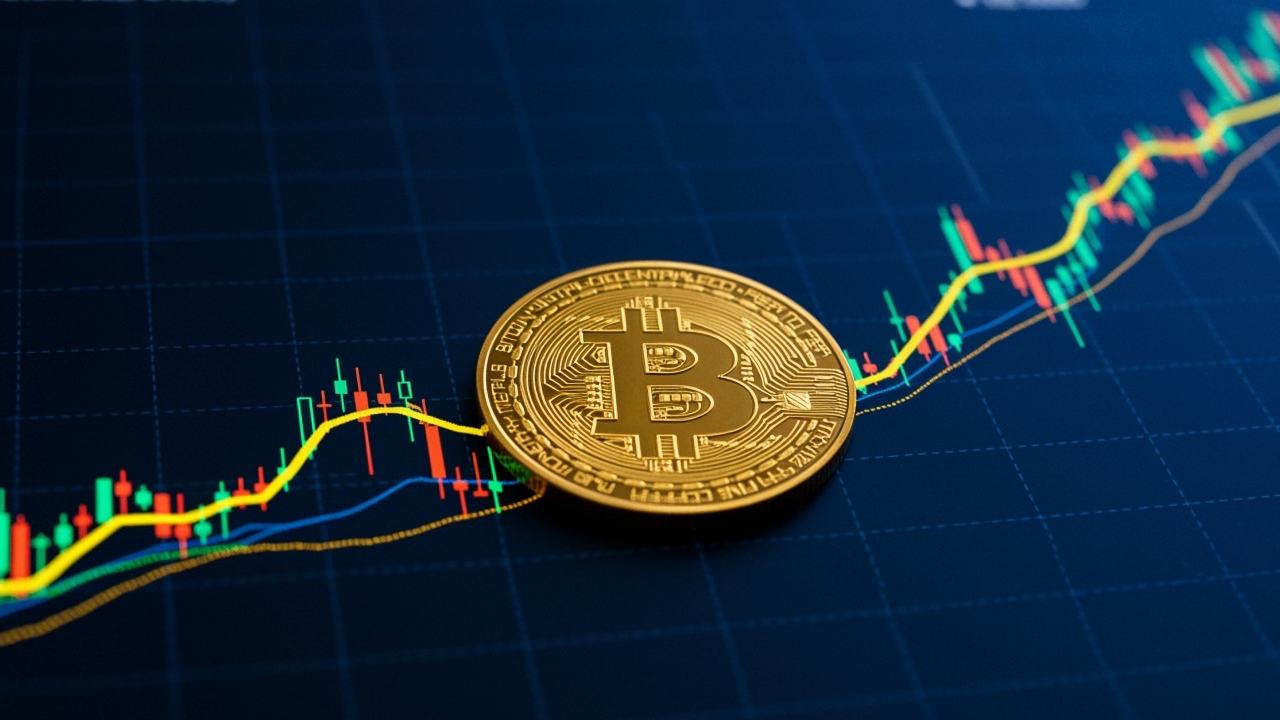
Bitcoin is digital money that you can send to anyone over the internet without using a bank. You own it directly on your phone or computer, just like cash in your pocket. No company controls it, and no government can print more of it.
Think of it as digital cash for the internet. When you send money with your standard bank app, the bank updates a private list to show your balance went down. With Bitcoin, a global network of computers updates a shared list that everyone can see. This setup keeps the money safe without needing a middleman.
How Bitcoin Works Without a Bank
To understand Bitcoin, picture a giant digital notebook. Every time someone sends coins, that move gets written down in this notebook. Thousands of computers around the world keep an exact copy of the same notebook.
When you buy a coffee with a debit card, your bank checks your account balance. The bank says yes or no. Bitcoin does not use a bank. Instead, the computer network checks the shared notebook to make sure you actually have the coins you want to send.
This system relies on a technology called Blockchain. Every ten minutes, a new page of transactions gets added to the notebook. Once a page gets added, nobody can erase it or change it. That is why people trust the system even though no single person is in charge.
Let us look at a quick real-world example. Imagine Sarah in Chicago wants to send 50 dollars to her brother Alex in London. If she uses a bank, she pays international wire fees. The bank takes two or three days to move the funds. With Bitcoin, Sarah sends the digital coins directly to Alex. The transfer finishes in minutes, and no central office can stop the transaction or hold the funds.

What Gives Bitcoin Real Value?
People often ask why a piece of computer code has value. Paper money has value because our governments say it does. Gold has value because people agree it is rare and useful. Bitcoin has value because people agree it is useful, easy to send, and strictly limited.
There will only ever be 21 million Bitcoins created. That rule is written into the computer code itself. Right now, over 19 million coins already exist. The remaining coins will slowly enter the market until around the year 2140. After that, no new coins can ever be made.
Compare that to standard money. Central banks print billions of new dollars every year. When more paper money enters the market, your savings buy less food and gas. Bitcoin works the opposite way. Since the supply is fixed, many people view it as a way to protect their wealth over long periods.
Demand drives the daily price. If millions of people want to buy coins today, the price goes up. If people get scared and sell, the price drops fast. Back in 2010, one user bought two pizzas for 10,000 Bitcoins. Today, a single coin is worth tens of thousands of dollars. That wild change shows how much public interest has grown over time.
How Do You Get and Store Bitcoin?
Getting your first coins is simpler than most people think. You do not need to buy an entire coin. Each coin divides into 100 million smaller pieces called Satoshis. You can start by buying five or ten dollars worth of Bitcoin on a computer application.
Here are the basic steps most beginners follow:
- Pick a well-known exchange to swap your local currency for digital coins.
- Verify your identity with an official ID card for security reasons.
- Connect a standard checking account or a debit card.
- Buy your chosen amount of coins.
- Move your coins off the exchange and into your own personal wallet.
Storing your coins correctly is the most vital step for every beginner. When you leave your money on an exchange, that exchange holds the keys to your funds. If the company closes or gets hacked, you could lose your savings. Reading a guide on Crypto Scams and How to Stay Safe: A Beginner Guide will help you protect your digital assets from common online traps.
A software wallet sits on your personal phone or computer. It gives you a secret 12-word phrase. This phrase acts like the master key to your digital cash. As long as you write those 12 words on paper and keep them safe, your funds remain yours. Never share those words with anyone, not even customer support teams.
What Is Bitcoin Mining?
You might have heard people talk about Bitcoin mining on the news. Mining sounds like digging in the dirt for gold, but it is actually just powerful computers solving complex mathematical puzzles.
These specialized computers do two major jobs at the same time. First, they check every new transaction to ensure no one spends the same money twice. Second, they protect the global network against attacks. When a computer solves a puzzle, it earns the right to add a new page of transactions to the shared notebook.
As a reward for doing this heavy computer work, the system gives the miner brand new Bitcoins. This process is the only way new coins enter the market. It requires a lot of electricity and specialized machinery today, so standard home computers cannot mine coins for profit anymore.
Think of miners as digital security guards. They work around the clock to process transactions. In return for keeping the system running smoothly, the network pays them with digital coins. This smart setup encourages people to act honestly and keep the system safe.
The Real Risks You Must Know
Bitcoin is an exciting technology, but it comes with real risks that every beginner must understand before spending a single dollar. It is not a quick scheme to get rich, and you can lose money if you act without care.
The price swings up and down violently. A coin might lose 10 percent or 20 percent of its market value in a single afternoon. If you need your money for rent next month, digital coins are far too risky. Only use money you can afford to hold for years or lose completely.
Security is entirely your own responsibility. If you lose your secret 12-word recovery phrase, no customer support phone line can reset your account. Your coins remain locked in the digital notebook forever. Nobody can reset your password for you.
Scammers also target new buyers every day. Fake websites, pushy social media messages, and bad investment promises trick thousands of people every year. To learn more about how broader digital currencies work, check out this guide on Cryptocurrency to build your overall knowledge. You can also explore our main portal for an anchor text about the topic to read more detailed beginner guides.
Is Bitcoin Right for You?
Bitcoin is a brand new kind of money built for our digital world. It gives you full control over your savings, operates 24 hours a day, and works across all borders. But that total control means total responsibility for your own security.
Take your time to learn before you spend any real money. Read guides, understand the security rules, and start very small if you decide to try it out. Treat it as an experiment in modern technology rather than a sure way to make cash.
What part of digital money sounds most useful to you: sending payments anywhere fast, or owning money that no bank can control?


Comments
Post a Comment